

YouTube has restored monetization for a Neuralink patient with ALS, after he claimed an automated review had misread the recreated voice he relies on to speak and removed him from its Partner Program.
Bradford Smith, who runs the ALS Cyborg channel, revealed on November 26 that YouTube had suspended him from monetization on Thanksgiving for “unsatisfying or off-putting content.”
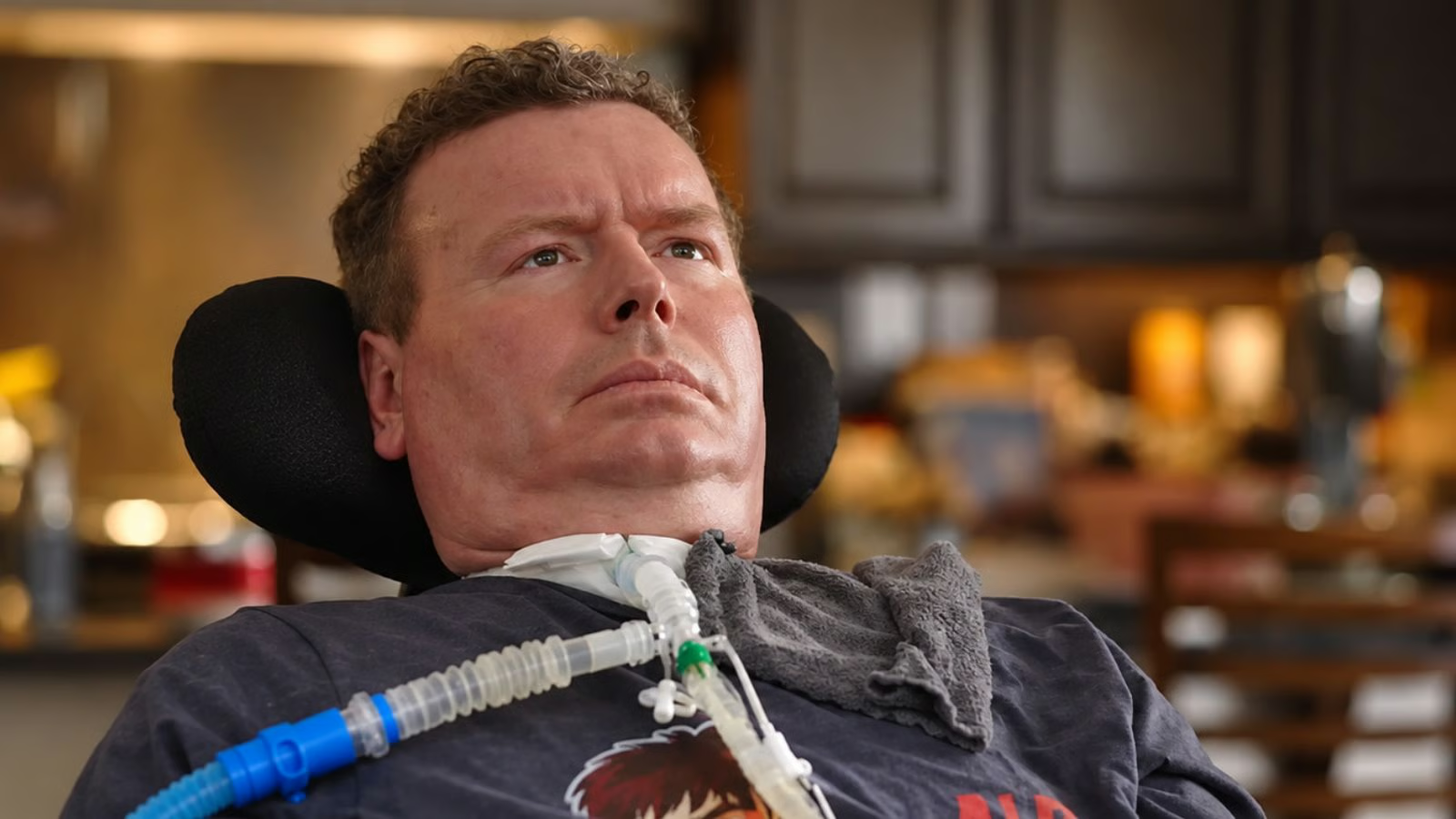
Smith has ALS and is fully quadriplegic and nonverbal. He was the third person to receive Neuralink’s brain implant, which he uses to control his computer directly with his thoughts.
To speak, he uses ElevenLabs to recreate his own voice from recordings made before ALS took it, and it’s the same voice he uses to host interviews and narrate his videos.
Smith says his recreated voice is “literally how I talk”
Smith shared the appeal video he submitted to YouTube on X, asking for “a human second look” at his channel from the platform’s support team.
In the appeal, he said he believed his channel “was misread by an automated review, specifically because I use an AI recreated version of my own voice.”
“It’s not an AI persona or an automated content farm, it’s literally how I talk,” he explained, adding that every script, question, and edit on the channel comes from his own lived experience.
His channel focuses on first-person videos about living with ALS, brain-computer interfaces, space, and tech, including his Future Link podcast and his Neuralink This Week updates.
Smith also pointed to a second possible trigger, admitting that “uploading 13 long videos in one week with similar descriptions can look automated at first glance.”
Those uploads made up an audio series of the Book of Mormon, which he said was assembled and checked individually with “custom pronunciation tuning and curated visuals.”
YouTube reverses suspension and apologizes
Smith’s post was quickly flooded with replies from users tagging YouTube, and in less than a day the platform had changed its decision.
TeamYouTube replied publicly on November 27, telling Smith his channel “has been reinstated into the YouTube Partner Program” and apologizing “for any confusion caused here.”
A follow-up message, which Smith later shared on X, confirmed the team had taken another look at his channel and found his content follows its Partner Program policies.
“I’m really sorry for the frustration this caused, especially around your use of your recreated voice,” the message read, before advising him to check monetization was back on for each video.
Smith thanked everyone who shared his post, though he said “it really should not take getting 500,000 people angry just to get a real human review.”
He added that he hopes YouTube “fixes the root cause soon so other creators who rely on recreated voices do not have to go through the same fight.”
YouTube has not publicly said what triggered the original suspension.
