


Sunday, at the 3M Open, we witnessed an unusual moment: Lucas Glover holed a putt from the length of the flagstick. Instead of heading directly to the hole, as we’ve seen countless times, he walked off the green, removed his shoes, and then returned to retrieve his ball.
At first, some thought this was a protest against the Aimpoint green-reading style. However, it was later clarified that a fellow competitor had complained about Glover wearing metal spikes—a practice that is legal, and since the 2019 rule change, so is tapping down spike marks.
This incident sparked a broader conversation: What are some points of etiquette we encounter on the course?
Mind Your Step
This is essential when reading putts, regardless of whether you’re using Aimpoint or the traditional approach. Always be mindful of where you step in relation to everyone in your group. One often-overlooked aspect is the “through line”—the path your playing partner’s ball might take if they miss their next putt. I learned this lesson firsthand in a 2013 tournament when a pro pointed out, “You stepped in his through line!” It was news to me, and the other player in our group was also unaware at the time.
Pre-Shot Process
Pace of play is a perennial discussion point, from casual rounds to tournaments. Much of it comes down to your pre-shot routine. It’s important to prepare while others are playing: assess the wind, yardage, and shot shape while you wait. When it’s your turn, you’ll be ready to play promptly without feeling rushed or slowing the group down. Keeping that rhythm helps everyone enjoy a smoother, more enjoyable round.
Tailbones and Belt Buckles
Where you stand during another player’s shot matters. Sometimes, a player may be positioned directly behind the ball, which can be distracting. If the player over the ball asks you to move, it sets the tone for the round. I’ve noticed that if someone stands behind the hole in my field of vision and then moves as I’m over the ball, it can force me to back off and reset. The old advice goes: when someone is over the ball, stand so you’re facing their tailbone or belt buckle. That way, you’re always out of the way.
Marking the Ball
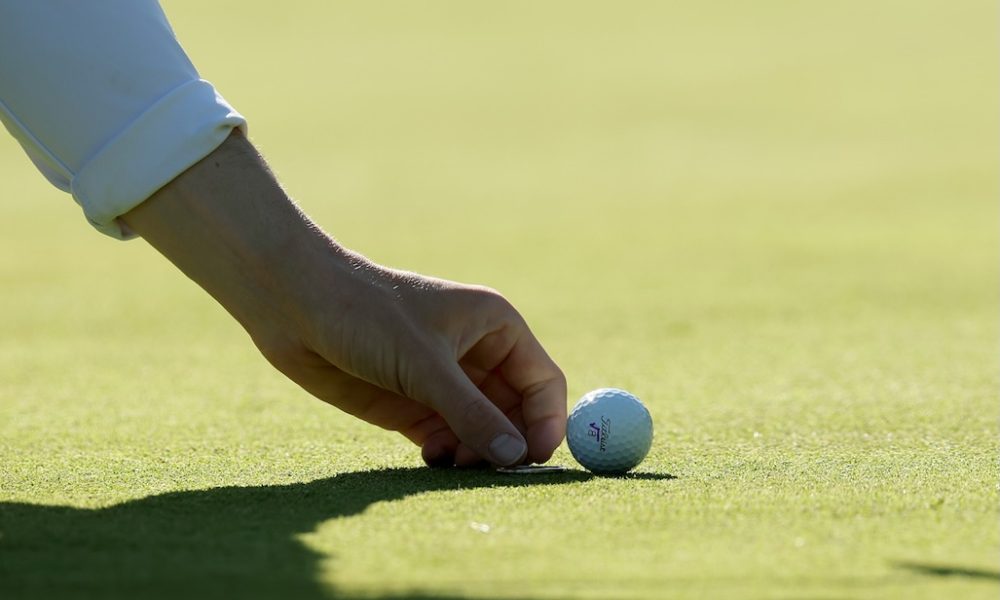
The putting green is a game within a game, and marking your ball is part of the etiquette. I carry both large coins and small, flat plastic marks. Depending on where your ball is in relation to others, it’s wise to use a small mark—especially within ten feet of the hole—to minimize interference. Larger markers, like poker chips, are best used when you’re well away from the line of play or need a more visible spot for a long putt.
The Story Teller
At every club or weekend game, there’s always a storyteller. While sharing stories is part of the fun, timing is everything. Only the storyteller enjoys teeing their ball and launching into a tale while everyone waits. It’s best to keep the play moving—tell the story after you hit, not before.
These thoughts come from both tournament play and casual rounds. Golf is a wide world, and each group has its own way of playing the game, but a little etiquette goes a long way.
