


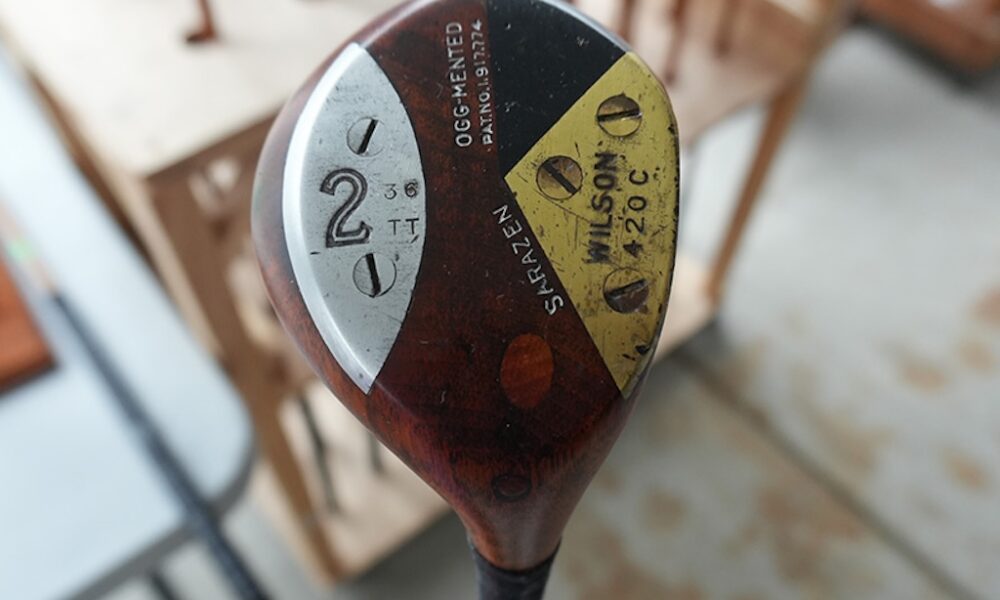
It was a great experience playing in the U.S. Hickory Open this past week. It’s been a while since I played the hickory set. I played once in August, and before that it’s been almost a couple of years. Like in the modern game, the fundamentals in building a set have stood the test of time — literally. Here are a few things I look for when getting into hickory golf and the clubs we use.
Off The Tee
Hickory golf isn’t as exact as the modern game. So having a driver is sometimes replaced with other clubs off the tee, and it’s not uncommon. That ranges from a driver, your brassie (2-wood), spoon (3-wood), or driving iron. Finding a shaft that fits your swing is even more important in hickory golf because the club heads are much smaller. But when struck solidly with a club made of wood, the rush is there just like in modern golf — if not more satisfying.
Irons
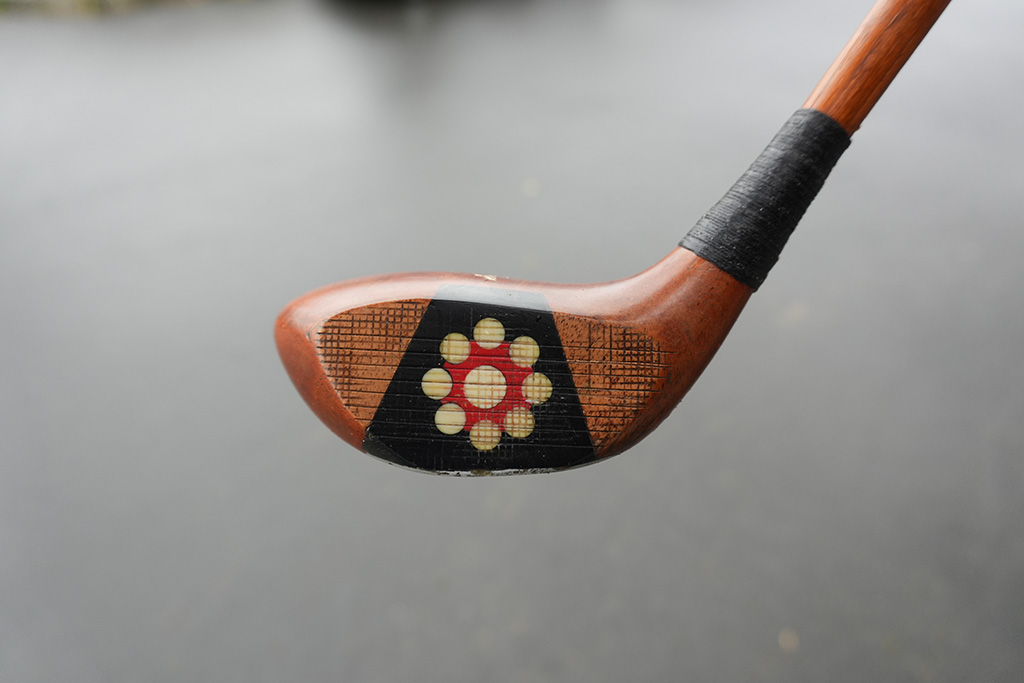
Matching iron sets are “out” there, but not as common as you see today when you look at people’s bags. You can get matching hickory sets from Tad Moore and Louisville Golf. When it comes to playing originals, it is about gapping the irons the right way and finding irons that match your swing. For example, original hickory irons often have very low bounce. That makes sense given the course conditions pre-1935. Today? Much easier to fold the sod over the ball off tight turf. Think like wedges around the green, except it extends to the teeing ground and fairway.
Short Game
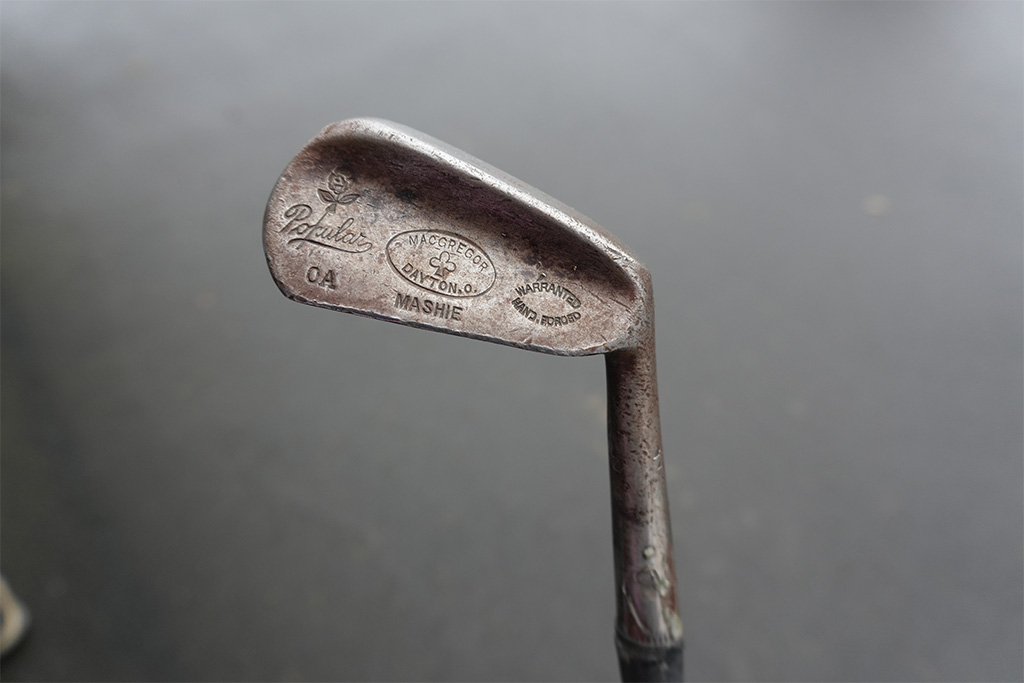
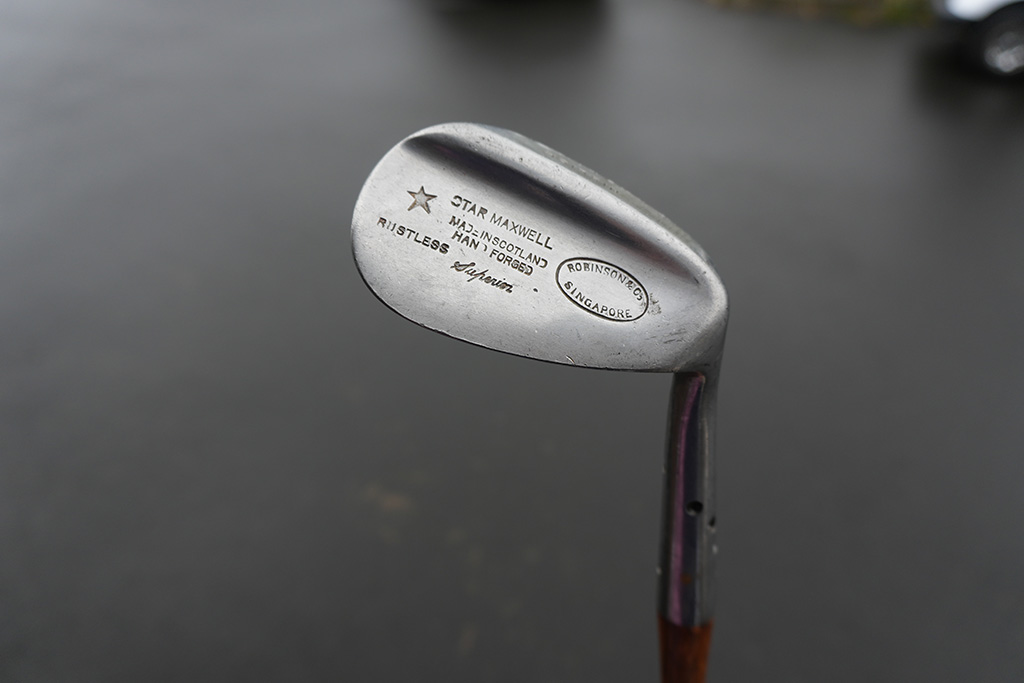
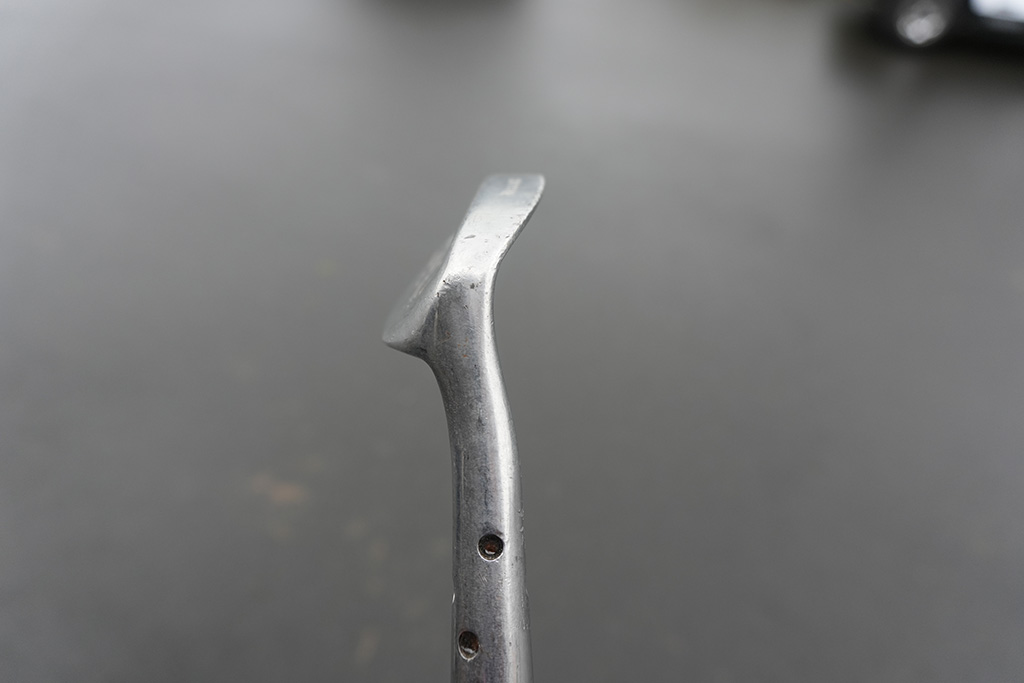
Missing greens is common in hickory golf, so making bogeys isn’t as bad as one thing in the modern game. Sometimes it’s a great score. When it comes to short game, there are some options. Around the greens, you will use lower loft for the most part. Your mashie niblick will range from 44 to 48 degrees. The niblick ranges from 48-54 degrees. It all depends on the club. This is when looking for original hickories, keep in mind for the wider sole!
Putting
Just like in the modern game, it is all preference. Common options include blade putters, long hosel putters, and long-face putters. There are also variations of center-shaft mallets, which you can find in re-creation sets. Hickory putters do have a sweet spot compared to the higher-MOI styles we are used to today, so catching a hot one and sending it by the cup isn’t uncommon.
Club Repair
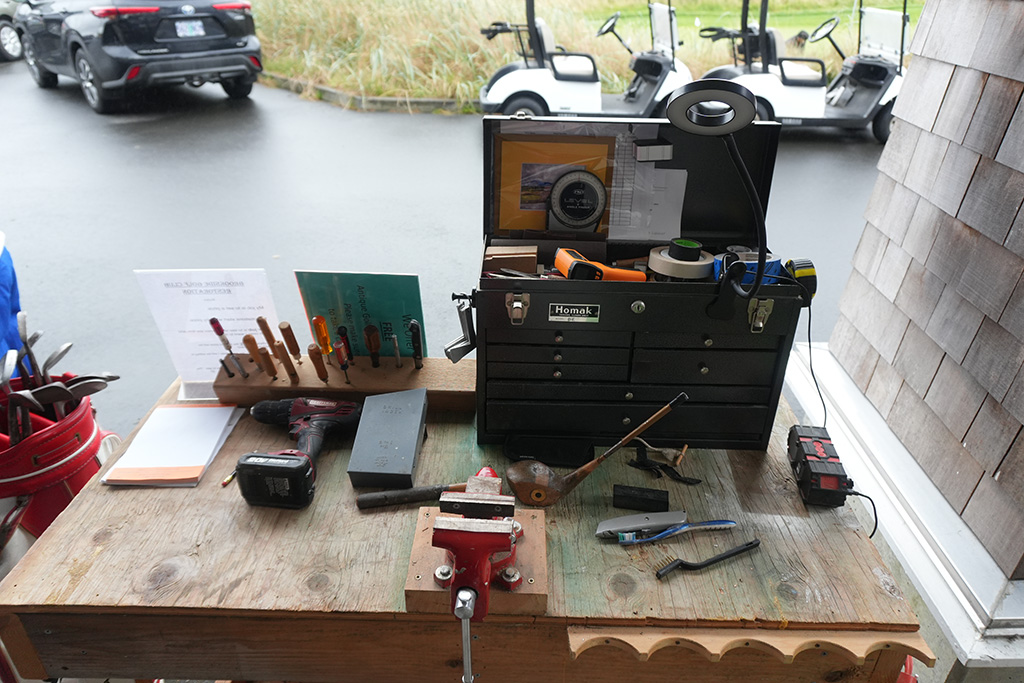
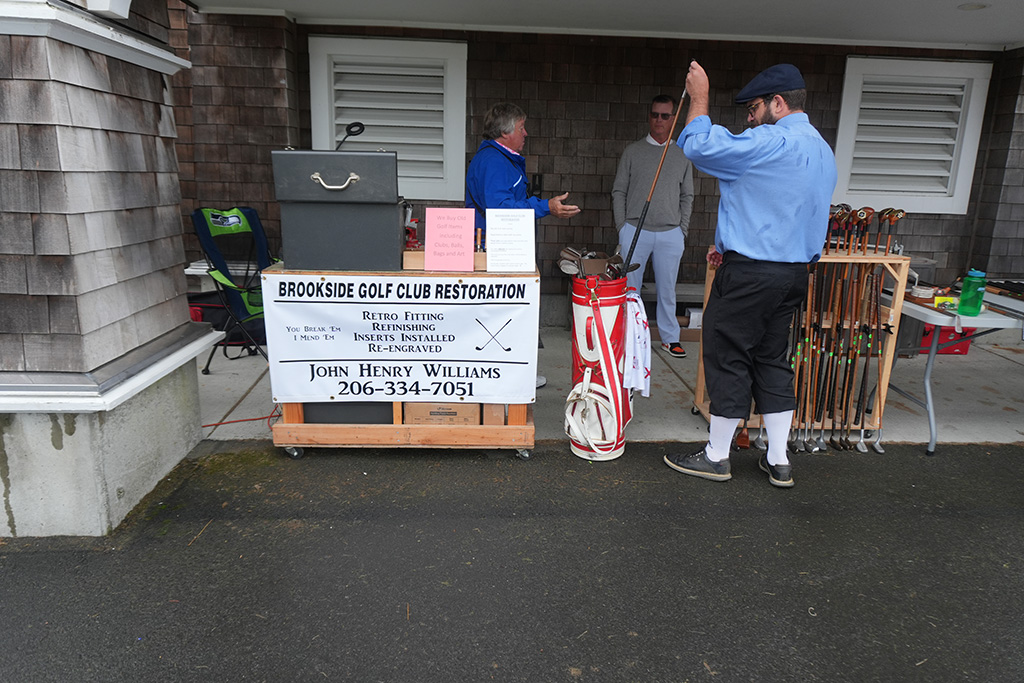
Hickory shafts do break from time to time based on how long they have been around and use. But retrofit hickory re-shafts are available. With some club makers still able to work on hickory, they can be good as new! In a sense.
Sourcing
When it comes to tracking down hickory clubs, you can look for reproduction clubs from Tad Moore and Louisville Golf. Or you can search Facebook groups and social media like Instagram as well. Antique stores are great spots too. Clubs have been ranked over the years. Sometimes you find real hidden gems, and clubs known as “commons.” They were mass-produced and are original, just not as valuable as compared to a Tom Stewart iron. Tom Stewart of St. Andrews made clubs for Bobby Jones, for example.
The topic can go as deep as you like with hickory golf, but I hope this helps you outline what clubs to start looking for. It opens up another world when you look into the history of the club maker, or the name of the club stamped on it. Sometimes you find interesting stories with local professionals and what they did for golf in their region years ago. This is a foundational element of the game we play today. Like today and our equipment, every club tells a story, and that’s been true since the beginning of the game.
