


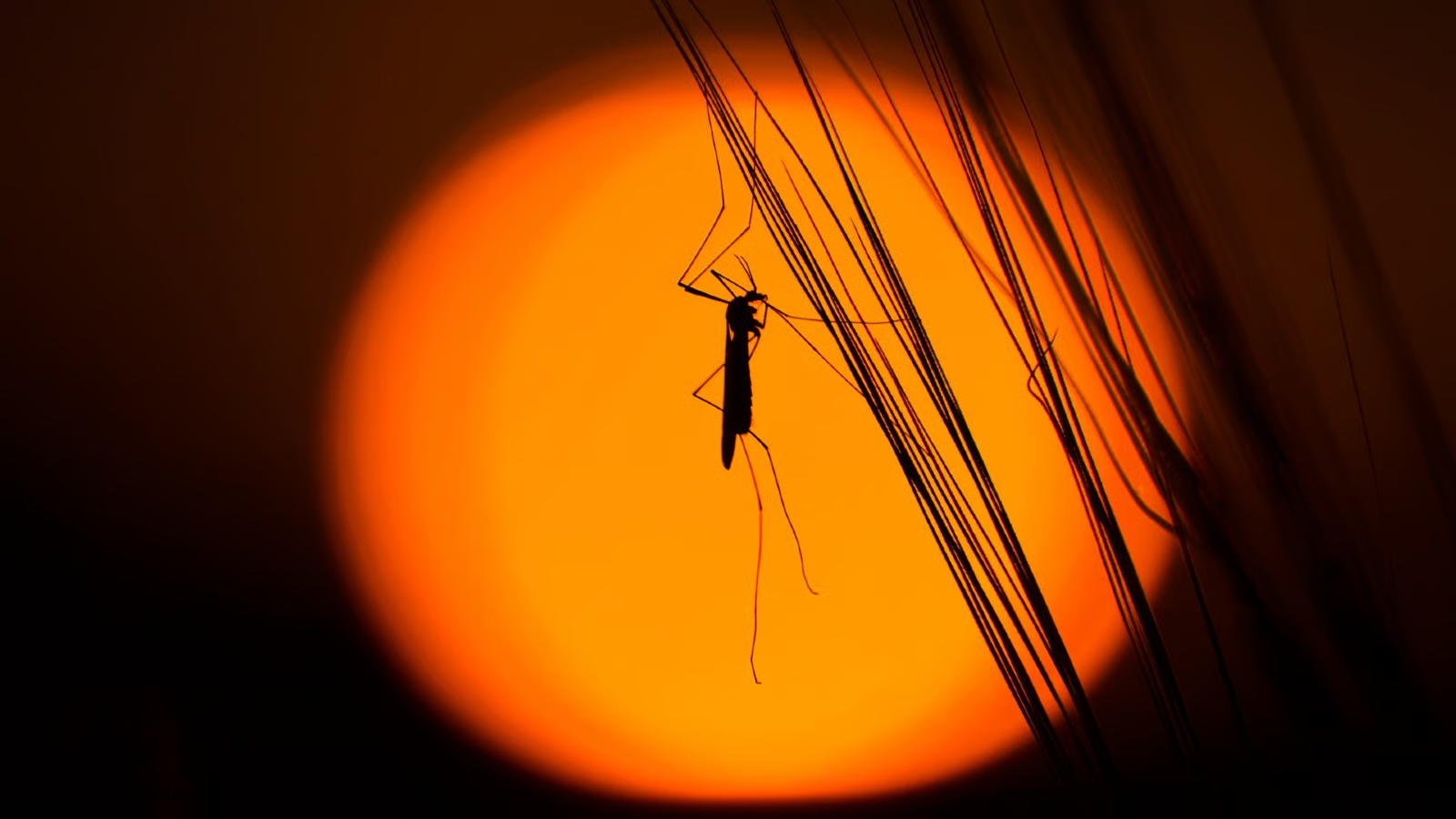
Tech giant Google is seeking federal approval to release millions of mosquitoes in California and Florida as part of a large-scale public health project.
Mosquitos are responsible for a wide variety of diseases in the US. These include St. Louis encephalitis, dengue, Zika, yellow fever, and West Nile virus, the leading mosquito-borne disease in the country.
As part of its Debug initiative, launched over a decade ago with the aim of developing technologies capable of reducing disease-carrying mosquito populations, Google has laid out a new proposal to use specially-treated mosquitos.
Google’s plan awaiting federal approval
Google plans to release 32 million male mosquitoes in California and Florida over the next two years infected with Wolbachia, a naturally occurring bacterium that renders them sterile.
When the infected males mate with wild female mosquitoes, the female’s eggs won’t hatch. Over time, this will cause mosquito populations to dwindle.
The company has also stated that because only female mosquitoes bite humans, the influx of these infected males won’t increase the number of biting mosquitoes.
The proposal is being reviewed by the Environmental Protection Agency, which is currently accepting public comments until June 5, when it will decide whether or not to issue the permit allowing Google to go ahead with the project.
For more on insects, check out our coverage of the 5.5 million-wide bee colony found beneath a cemetery, and the beetles that blanketed a Scottish coastline.
