

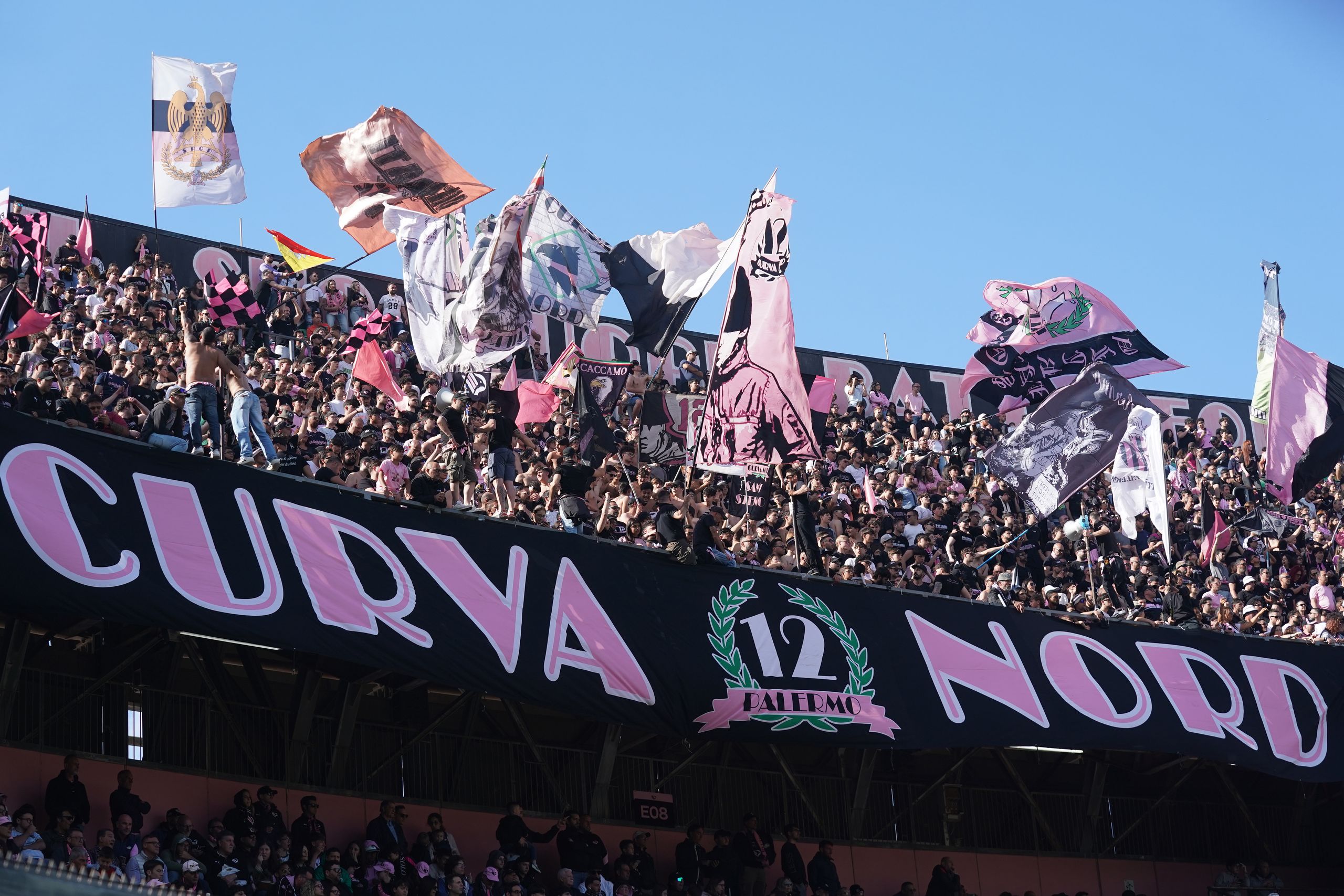
At the heart of Palermo’s submission to the FIGC is a full redevelopment plan for the historic Stadio Renzo Barbera.
Designed in partnership with world-renowned sports architecture practice Populous and consultancy firm Turner & Townsend, the project aims to transform the stadium into a modern, sustainable urban landmark.
The vision extends beyond matchday infrastructure, intending to create a year-round community hub for social interaction, entertainment, work, and economic growth while keeping supporter experience central to the design.
Palermo bid to host UEFA Euro 2032
Palermo were initially viewed as an underdog compared to other candidate cities across Italy, but the club has quickly assembled one of the most credible proposals on the table.
This progress has been fuelled by collaboration between Palermo FC, the Municipality of Palermo, the Sicilian Regional Government, and owner City Football Group (CFG).

For CFG, the bid represents another step in its long-term investment strategy for the club and region, following the recent opening of Palermo’s new state-of-the-art training centre.
The submission has already gathered praise from national footballing authorities and UEFA representatives for its clear vision, sustainability commitments, and delivery pace.
With Italy and Turkey co-hosting the tournament in 2032, the FIGC must narrow its host list down to five Italian cities. If chosen, a modernised Renzo Barbera will bring elite international football back to Sicily for the first time since the 1990 World Cup.
In addition to Palermo, the other 12 Italian cities putting forward bids to host Euro 2032 matches are: Rome, Milan, Turin, Naples, Florence, Bari, Bologna, Cagliari, Genoa, Lecce, Salerno and Verona.
Out of these 13 candidate cities, the FIGC will put forward five to host matches at the tournament in six years’ time.
