
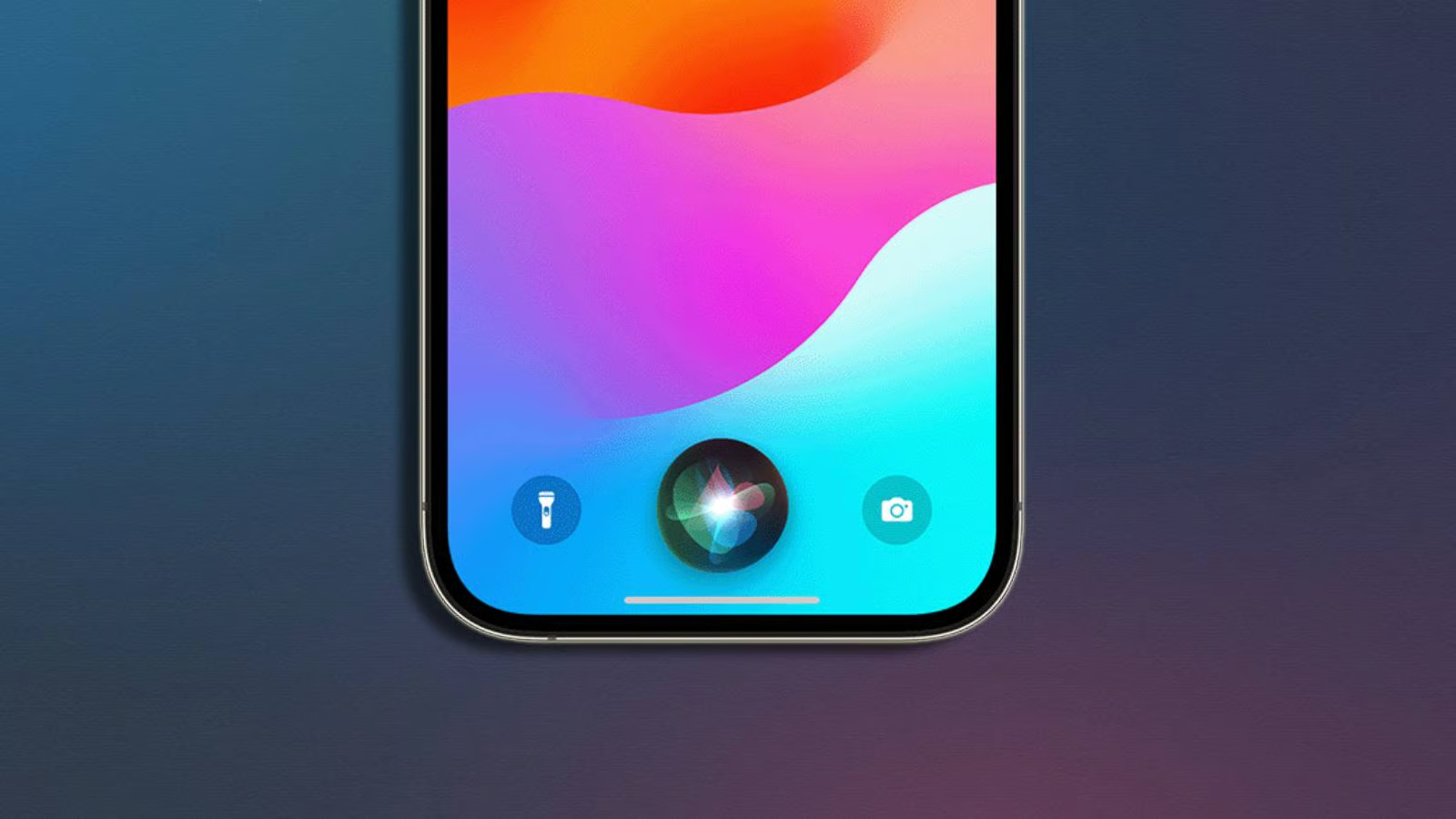
Apple has agreed to pay $250 million to settle a class-action lawsuit over its advertised AI features, with eligible iPhone owners now able to submit claims for a payout of up to $95 per device.
The lawsuit alleged that Apple advertised Siri and Apple Intelligence features that were not available when customers purchased their devices, violating consumer protection laws in several US states.
Apple has denied the allegations and agreed to the settlement to avoid the costs and risks of a trial. The agreement does not constitute an admission of wrongdoing.
Claims opened on September 21, 2026, with millions of iPhone owners potentially eligible to receive compensation.
Who is eligible for Apple’s iPhone settlement?
According to the settlement website, US residents who originally purchased an eligible iPhone between June 10, 2024, and March 29, 2025, can submit a claim.
The eligible devices include:
- iPhone 15 Pro
- iPhone 15 Pro Max
- iPhone 16
- iPhone 16 Plus
- iPhone 16 Pro
- iPhone 16 Pro Max
- iPhone 16e
Those who qualify can receive an initial payment of $25 per eligible device, although this amount could increase to a maximum of $95 depending on the number of valid claims submitted and other factors.
Payments could also fall below $25 per device if the number of claims exceeds expectations.
Eligible customers may receive an email containing a claim ID and PIN, but receiving a notification is not required to submit a claim.
Claims can be filed through the official settlement website, with a deadline of December 21, 2026.
The lawsuit centered around Apple’s advertising of its AI-powered Siri assistant, including promises of a more personalized experience that could understand on-screen content, access personal information, and complete tasks across multiple apps.
Customers alleged that these features were unavailable when they purchased their devices, despite being promoted as part of Apple’s new AI capabilities.
No payment date has been announced, and compensation will not be distributed until the settlement receives final approval.
A court hearing to determine whether the agreement will be approved is scheduled for February 24, 2027.
