

Generally speaking, game consoles are sold at a loss. That loss can vary, but for the most part, a console becomes profitable when you take software and accessory sales into account, or later on in the generation, when you’re shipping out multiple models.
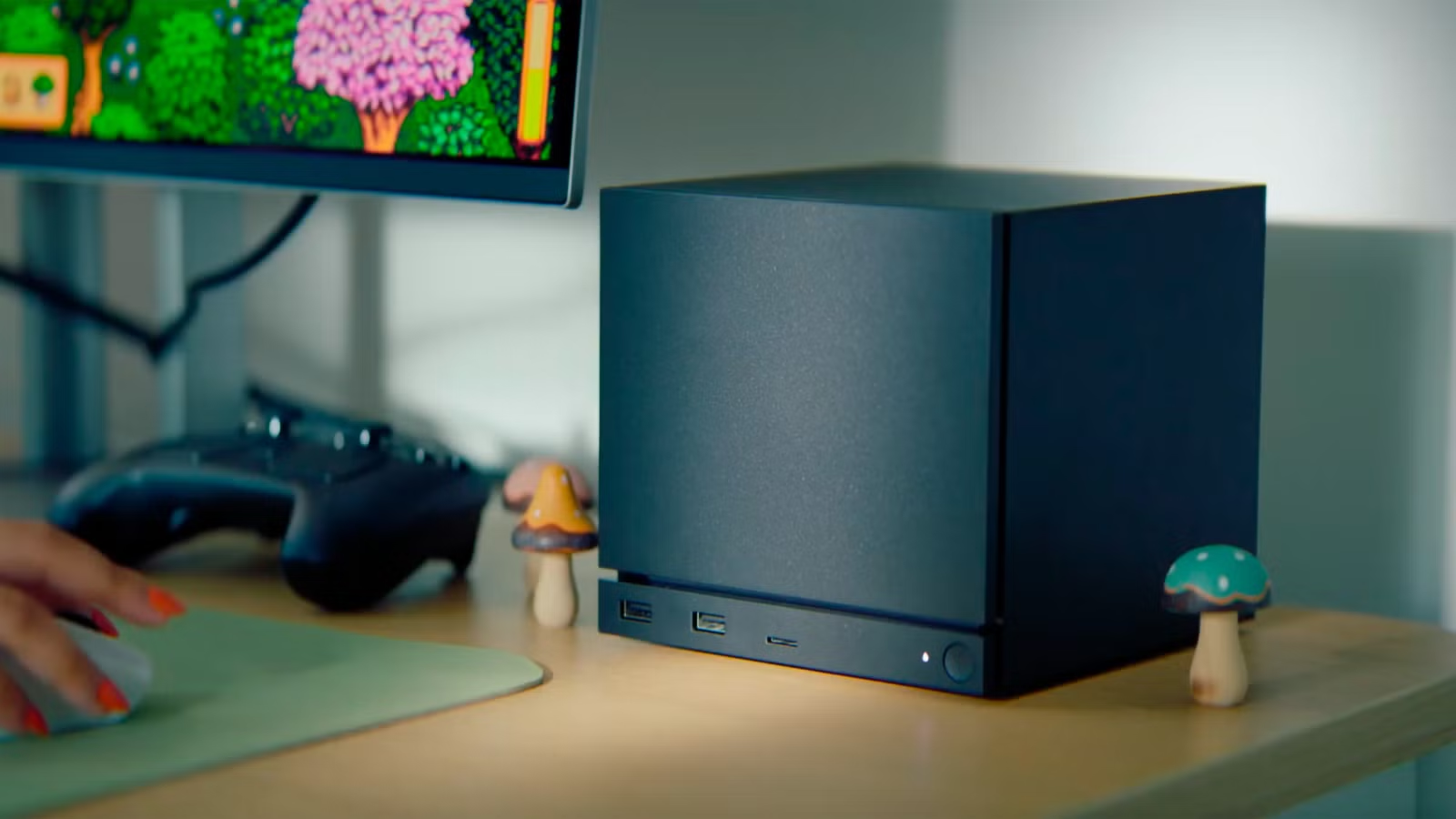
Valve, however, is rejecting that strategy entirely. Its PC/console hybrid, the Steam Machine, will be sold at cost, with Valve refusing to subsidise the cost and make the money back in software and accessories. That is despite Valve absolutely dominating the PC gaming market, presumably putting it in a position to make its money back through game sales.
Well, We Now Know Why The Steam Machine Is So Expensive: Valve Doesn’t Want To Lose Money On Each Sale
The Steam Machine prices were revealed yesterday, with the following bundles available:
- Steam Machine 512GB: $1,049 / £879 / €1,039
- Steam Machine 512GB and a Steam Controller: $1,128 / £938 / €1,108
- Steam Machine 2TB: $1,349 / £1,149 / €1,359
- Steam Machine 2TB with a Steam Controller: $1,428 / £1,208 / €1,428
Speaking with The Verge, a spokesperson for Valve outlined the company’s strategy with these price points. To that end, they shot down the idea of selling each Steam Machine at a loss.
“While this might seem like an easy solution, it doesn’t align with our beliefs about how healthy ecosystems are built,” the spokesperson says. “When companies sell their hardware under cost for competitive advantage, or buy exclusive content for it, they’re doing that to build a more closed system, one where you don’t get to choose what software you want to use.
“We don’t want that for PC hardware, and we don’t think you should want it either,” they continue. “You shouldn’t feel like you have to buy Valve hardware; you should be able to view it as just one option alongside all the devices for playing games, and select the one that makes sense for you […] That’s the strength of the open PC platform, and subsidising hardware runs counter to it.”
In other words, Valve doesn’t want to enter the console race in a way that plays by the same rules as Xbox and PlayStation. True enough, the fact that they sell at a loss forces them to be more antagonistic towards one another, withholding games from rival platforms to boost hardware sales, or risking multiplatform releases to try and recoup some money through software instead. This console generation has seen Xbox struggle with both of these strategies, so it makes sense that Valve would like to avoid adding another horse into the race.
This just means Valve is going to have to carve out its own niche. Making it another option for PC gamers could be something, but the game performances we’re seeing so far leave a lot to be desired, and many of us already have a rig that suits our needs. I suppose if you’re looking to make the leap from console to PC for the first time, then this isn’t the worst way to do it. With component prices as high as they are, any PC you try to get your hands on is going to be pricey.
We’ll just have to wait and see how this all pans out. In any case, Valve appears to be expecting high demand, as it has rolled out a randomised pre-order system with a one console per household limit.
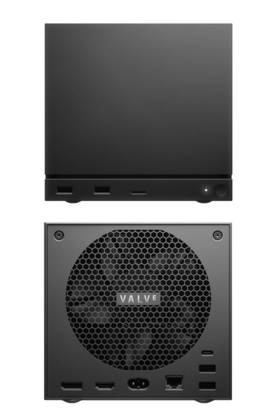
- Brand
-
Valve
- Operating System
-
SteamOS 3 (Arch-based)
- Processor
-
Semi-custom AMD Zen 4 6C / 12T up to 4.8 GHz, 30W TDP
- Resolution
-
Up to 4K @ 240Hz or 8K@60Hz
- HDR Support
-
Yes
- Original Release Date
-
2026
