


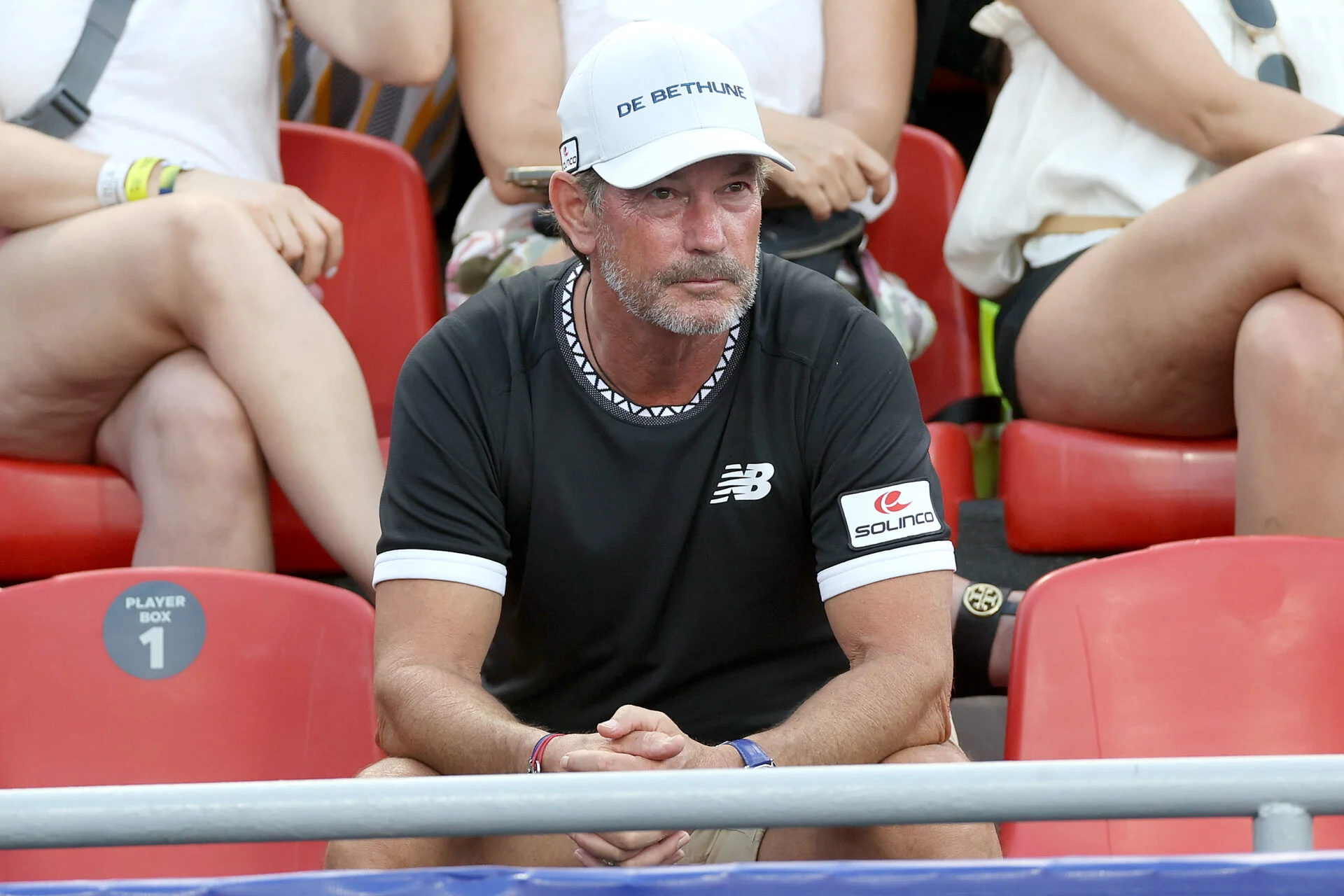
Like every other sport, tennis is a results business, and when results don’t go a player’s way, they will inevitably make changes to their entourage.
But coaching changes seem to be much more frequent in tennis compared to most other sports.
Just recently, upon the conclusion of Wimbledon, Felix Auger Aliassime, Daniil Medvedev and Jiri Lehecka all parted ways with their coaches after exiting the tournament.
Medvedev had only been with his coach, Thomas Johansson, for less than a year, but he is not the only one to have switched up his team following short periods of working together.
Emma Raducanu and Holger Rune are among the many stars with a coaching history featuring a revolving door of high-profile mentors, with some partnerships across the ATP and WTA tours lasting a matter of weeks.
Will Emma Raducanu ever win another Grand Slam title?

It is not the case for a lot of players, however, such as Tommy Paul, who has been with Brad Stine since 2020.
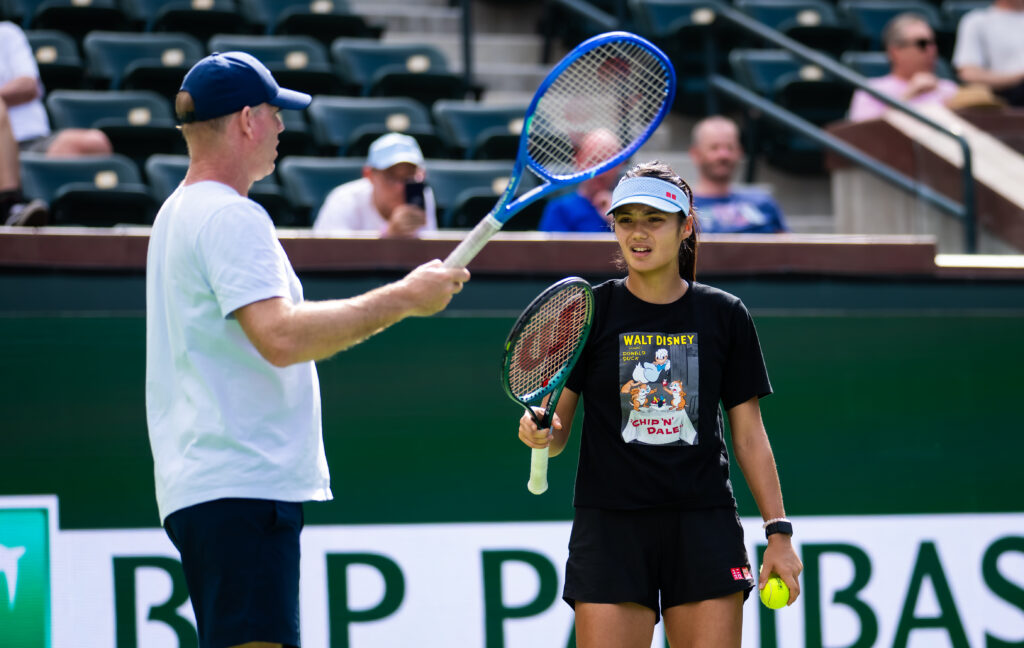
Brad Stine discusses the current state of coaching in tennis
Appearing on Tennis Channel, Stine detailed the issues with modern-day coaching in tennis.
He said: “Generally, when you get a call from a player’s agent or from a player themselves, you generally do a relatively short test period, whether it’s a few weeks or a few months.
“And at the end of that period, it’s the player’s decision as to whether that relationship is going to continue or not. It’s not your decision.
“And that’s completely out of your hands as a coach. So that’s always been the case in our business. And it’s going to continue to be the case in our business.
Who is your pick to win the US Open men’s singles title?

“There are a lot of things around what we do in tennis, unfortunately, where you have people that aren’t necessarily very professional from the coaching standpoint that are hired as coaches, whether it’s a family member or whether it’s a friend.
“A lot of times when people are first coming up, they’re trying to save money. So they’re hiring somebody that’s not costing them as much.
“Players often, I think, aren’t willing to invest in their careers as much as they should. And so you end up with these situations where people get swapped out on a very regular basis.”
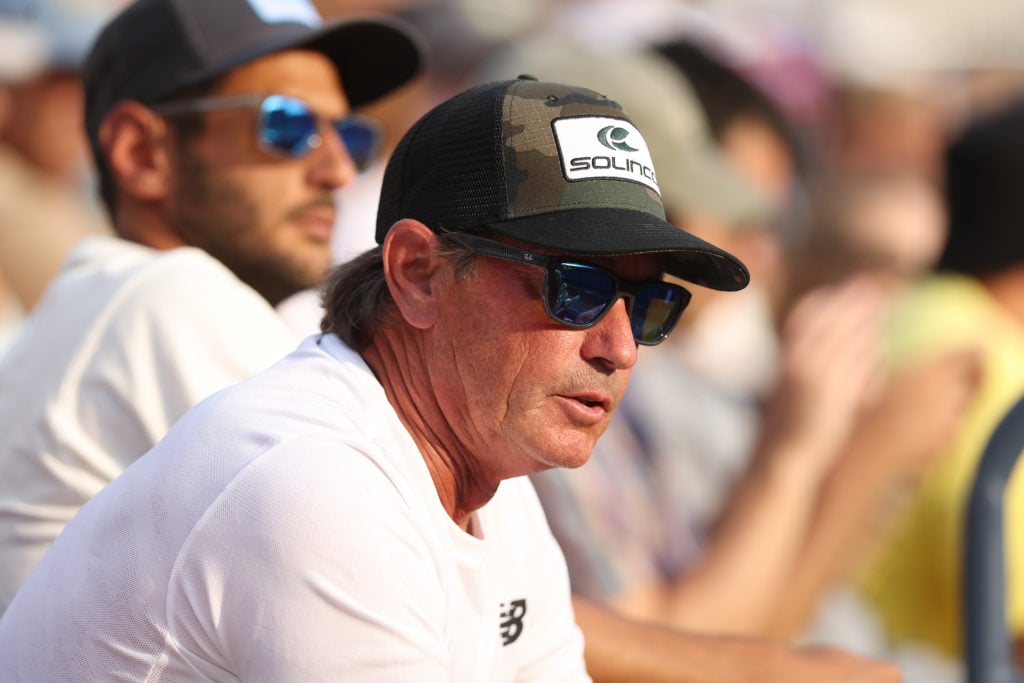
Brad Stine says some coaches take on multiple different roles
Stine continued: “Part of being a coach on tour is that you wear a lot of hats. You need to be a good technician; we need to be able to help people with their mechanics, with their swing strokes, with their serves, with whatever it is that they need improvement in in their game from that standpoint.
“You have to be a psychologist, you have to be a little bit of a strength and conditioning coach because you have to work within that area with what you’re seeing on the court and what you want from your own strength and conditioning coach.
“So we do a little bit of everything, and we tend not to, unfortunately, have an offensive line coach and a running back coach and a defensive end coach who specialise in stuff.
“Some of the players do. Coco [Gauff] brought in someone who’s a specialist with the serve, and we see that with some players.
“But a lot of the players that are ranked between 25 and 150, 200, don’t have that option. So you’re dependent a lot on an individual coach that’s wearing all those hats to try and help you get better.”
With Stine in his corner, Paul has risen as high as eighth in the world and has made the semifinals of the Australian Open.
Receive exclusive tennis news and updates twice a week to your mailbox
